Understand Key Arboriculture Techniques for Maximum Tree Health
Knowing how to care for trees is important for maintaining a healthy environment. Key practices like pruning and mulching are vital factors in promoting tree vitality. In addition, the right way to water are essential for new root growth. However, most people miss the indicators of tree illness and the value of professional arborists. Exploring these aspects can lead to a deeper appreciation for trees and their care. How can someone ensure to guarantee their trees thrive?
Grasping the Value of Healthy Trees
Knowing why tree health is crucial is vital, as trees are key players in maintaining ecological balance and improving city settings. Strong trees assist with air quality, offer cooling shade, and provide refuge for nature. They also help mitigate global warming by sequestering carbon dioxide, proving their necessity for a sustainable environment.
In urban settings, well-maintained trees enhance the appearance, raise the value of homes, and promote community well-being. Trees help diminish city heating in cities, which saves money on energy.
Failing to care for trees, conversely, can lead to illness, bug invasions, and structural instability, presenting hazards to both the trees and surrounding infrastructure. Therefore, knowing the markers of tree well-being, for example, leaf hue, its development rate, and the tree's outer layer, is vital for proper care. In conclusion, promoting tree health helps more than personal gardens but also the broader ecosystem, emphasizing the need for preventative maintenance and care methods.
Vital Trimming Practices
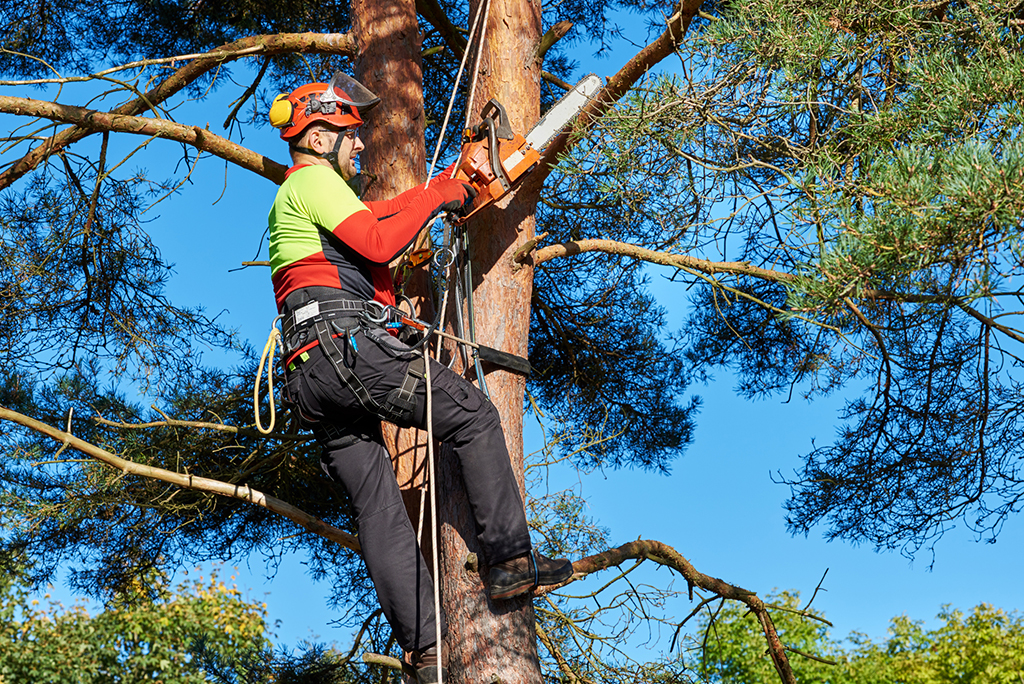
Cutting branches is a vital method in tree care that guarantees ideal growth and health, as it takes away unhealthy branches and boosts ventilation within the canopy. Employing proper techniques guarantees that trees can flourish where they are planted.
One fundamental technique is "thinning," which involves selectively removing branches to enhance light penetration and reduce weight on weaker limbs. 'Tip pruning' is a different technique, where the ends of branches are snipped to promote bushier growth, mainly in juvenile trees. Additionally, the 'crown reduction' technique reduces the height and spread of a tree and retaining its natural structure.
When to prune is key; trimming when the tree is resting minimizes stress and ensures faster recovery. Equipment needs to be clean and honed to avoid damage and infection transfer. Knowing these essential trimming methods is vital for every arborist who seeks to keep healthy and visually appealing trees.
Recognizing Typical Tree Ailments
How do tree owners identify the signs of common diseases that endanger their trees? Familiarity with key indicators is essential for early detection and action. These often include leaves that are yellowing or drooping, which may suggest fungal infections or insufficient nourishment. Abnormal formations, for example, galls and cankers, can signal the presence of pests or diseases that harm the tree's vitality. Furthermore, bark shedding or sticky sap might suggest an infection that need prompt care.
Arborists should look for alterations in the tree's form, such as branches dying or leaves falling, suggesting a deeper, more serious issue. Looking out for insect attacks, like frass or bore holes, is equally important. By remaining vigilant and proactive, owners are able to spot these frequent ailments and find suitable treatments, ensuring their trees remain healthy and vibrant all year long.
How Mulching Helps Trees
Applying mulch is a vital method in tree care, giving various benefits which encourage strong development and durability. This technique requires placing a covering of specific material types surrounding the trunk, helping to keep the soil damp, preventing weed growth, and regulate soil temperature. This protective barrier does more than minimize competition from invasive plants but also enhances the aesthetic appeal of the landscape.
Furthermore, organic mulches, for example, bark or chips, decompose over time, adding vital nutrients to the soil and bettering its texture. This natural breakdown supports root development and promotes a better habitat for the tree. Additionally, applying mulch helps stop soil erosion, maintaining the stability of the tree’s base. Appropriately spread mulch should be spread in a donut shape, making sure it doesn't touch with the trunk to stop decay. In conclusion, making mulching a part into tree care routines considerably contributes to the lasting vitality of trees.
Proper Watering Practices for Trees
Effective tree care requires more than just mulching but also appropriate watering techniques to promote the best growth and health. Tree specimens, specifically new plantings, demand regular water to establish strong root systems. Deep watering is essential, as it promotes roots to descend where moisture is more consistent. Optimally, trees should receive about an inch of water per week, either via rain or additional watering.
Watering should be done at dawn to minimize water loss and the risk of fungus. It is important to avoid overwatering, which can lead to root rot and related complications. Check the ground for moisture before watering; if the top two inches are dry, it is time to provide water. Furthermore, utilizing drip irrigation or drip irrigation can provide a slow, steady supply of water, ensuring that trees receive adequate hydration without the danger of water runoff. Correct watering methods significantly aid to the overall health of trees.
Engaging Expert Arborists: When and Why
When assessing the condition and aesthetics of a property, retaining specialized arborists can be crucial for homeowners with complicated tree maintenance requirements. Trained arborists hold the expertise to evaluate the condition of trees, identify diseases, and apply successful remedies. Professionals are familiar with local regulations for removing trees and maintenance, ensuring adherence and sidestepping fines
(Stillwater Tree Service)It is wise for homeowners to engage professionals when dealing with mature trees, specifically trees near homes or power lines, as incorrect care can lead to dangers. In addition, trees requiring pruning for looks or well-being gain from the abilities of trained specialists who can perform careful trimming to encourage development
Periodic maintenance, such as pre-storm readiness and clearing examine this material debris, need professional assistance to maintain property safety and appearance. As a result, hiring certified arborists ensures optimal tree maintenance, which benefits greatly the entire outdoor space and home valuation
Frequently Asked Questions
What Are the Signs if My Tree Is Receiving Too Much Water?
Symptoms of excessive watering are foliage turning yellow, limpness though the soil is damp, decaying roots, and significant defoliation. Additionally, the appearance of mushrooms near the trunk's bottom can signal slow soil percolation and saturated soil.
What's the Optimal Season for Tree Pruning?
The best time for tree pruning is typically late winter to early spring before the onset of new foliage - Stillwater Tree Service. This timing promotes robust regeneration and minimizes stress on the tree, enabling rapid wound closure and maturation
Can Trees Recover From Severe Storm Damage?
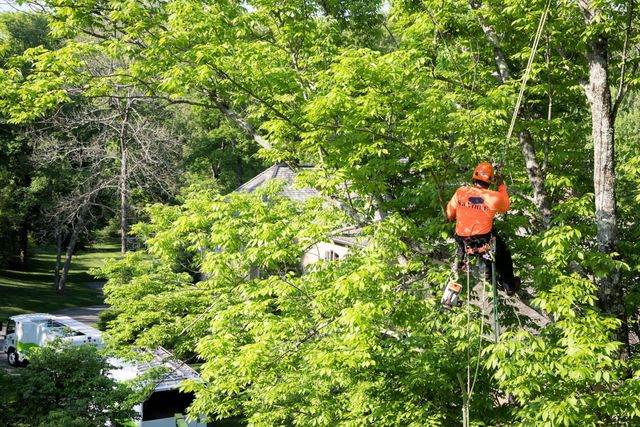
It is possible for trees to bounce back after severe weather. With proper care, such as pruning damaged limbs and supplying necessary moisture and food, a lot of trees can become healthy again and keep growing strong despite enduring major trauma.
What Should I Look For When Choosing the Right Mulch for My Trees?
To choose the right mulch for trees, one should consider organic materials like wood chips or bark, guarantee proper depth of 2-4 inches, and never stack mulch against the base to safeguard against rot.
Do Certain Tree Species Need More Attention Than Others?
Certain trees, like young trees and fruit-bearing plants, need extra maintenance owing to their vulnerability to weather fluctuations and specific nutrient needs. Consistent observation and customized care routines are crucial for their well-being and development.